
Expert Cost Segregation Studies for Real Estate Investors
Accelerate Depreciation, Lower Taxable Income, and Unlock Massive Cash Flow.
How Does a Cost Segregation Study Work?
Real estate is one of the most powerful wealth-building tools in the tax code, but standard straight-line depreciation takes 27.5 years (residential) or 39 years (commercial) to write off your property.
A Cost Segregation Study allows real estate owners and commercial property developers to accelerate depreciation, writing off substantial portions of their building within 5, 7, or 15 years—saving tens or hundreds of thousands of dollars in current-year income taxes.
The Truth About "DIY" Cost Segregation Software
With automated online tools popping up everywhere, many real estate investors are tempted by cheap "DIY cost segregation algorithms." However, cutting corners on engineering reports creates immense tax vulnerability:
• Heavy IRS Scrutiny: The IRS Audit Techniques Guide specifically requires detailed engineering expertise, site inspections, and structural cost breakdowns to substantiate accelerated depreciation.
• Audit Exposure: DIY software relies on broad statistical averages rather than physical property inspections. If audited, the IRS can disallow your accelerated deductions, hit you with back taxes, and impose hefty accuracy penalties.
• The Engineering & Enrolled Agent Partnership: We do not rely on automated software. Instead, QCPAccounting partners with a trusted network of premier cost segregation companies and certified engineering firms. They perform the detailed physical site inspections and generate the IRS-compliant structural reports, while we expertly integrate those massive deductions into your tax returns and provide full Enrolled Agent audit defense.

How Cost Segregation Works
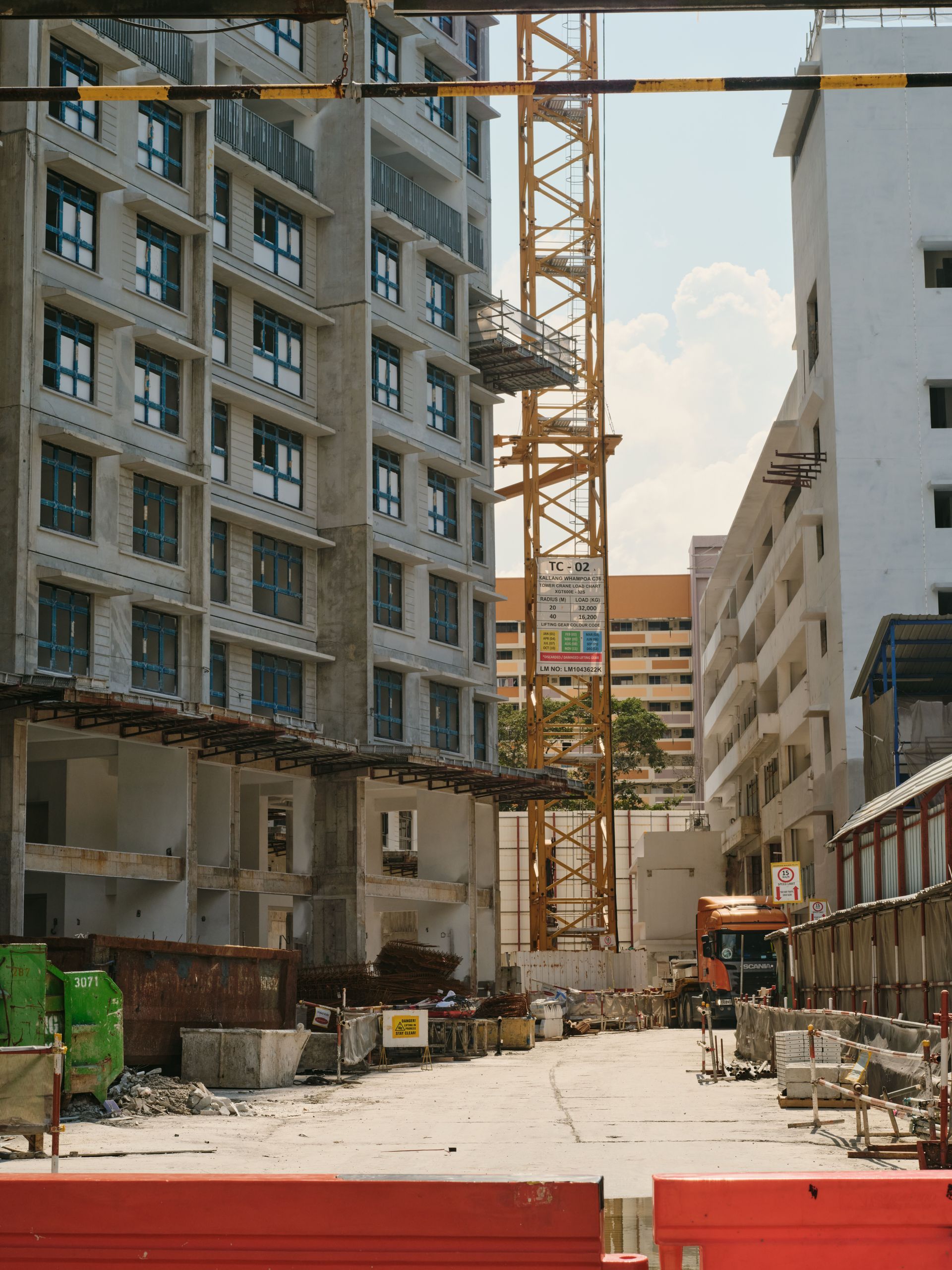
When you purchase a real estate asset, a cost segregation study breaks down the property into distinct component buckets:
• 5-Year Property: Carpeting, specialized lighting, appliances, decor, and security systems.
• 7-Year Property: Office furniture, fixtures, and specialized equipment.
• 15-Year Land Improvements: Sidewalks, paving, fencing, landscaping, and outdoor lighting.
• 27.5 / 39-Year Building Structure: Main foundation, exterior walls, and roof.
By reclassifying 15% to 35% of the property’s value into 5-, 7-, or 15-year buckets, you generate massive upfront tax deductions to offset real estate income, active business income (for Real Estate Professionals), or short-term rental profits.
Frequently Asked Questions
Here are some common questions about cost segregation studies and how they can benefit your property investments.
Is a cost segregation study worth the cost?
For most residential rental properties or commercial buildings purchased for $300,000 or more (excluding land value), a cost segregation study yields a tax savings that far exceeds the cost of the study—often generating an immediate 5x to 10x ROI in first-year tax savings.Can I do a DIY cost segregation study?
While DIY software tools exist, the IRS requires engineering-based methodology to substantiate asset reclassification during an audit. Using non-certified software increases audit risk and can lead to disallowed deductions and IRS penalties.How does cost segregation interact with bonus depreciation rules?
Cost segregation identifies assets eligible for shorter recovery periods (5, 7, and 15 years). Once identified, those specific assets qualify for bonus depreciation, allowing investors to take substantial upfront tax write-offs in year one.What types of properties benefit from cost segregation?
Cost segregation studies are beneficial for various property types, including multifamily units, commercial buildings, and even certain improvements to existing properties, maximizing tax benefits for owners.How long does a cost segregation study take?
Typically, a cost segregation study can be completed within a few weeks, depending on the complexity of the property and the availability of necessary documentation.
Need More Help?
If you have more questions or need assistance with your cost segregation study, feel free to reach out to our team at QCPAccounting.